Published: July 8, 2025 | Reading Time: 10 Minutes
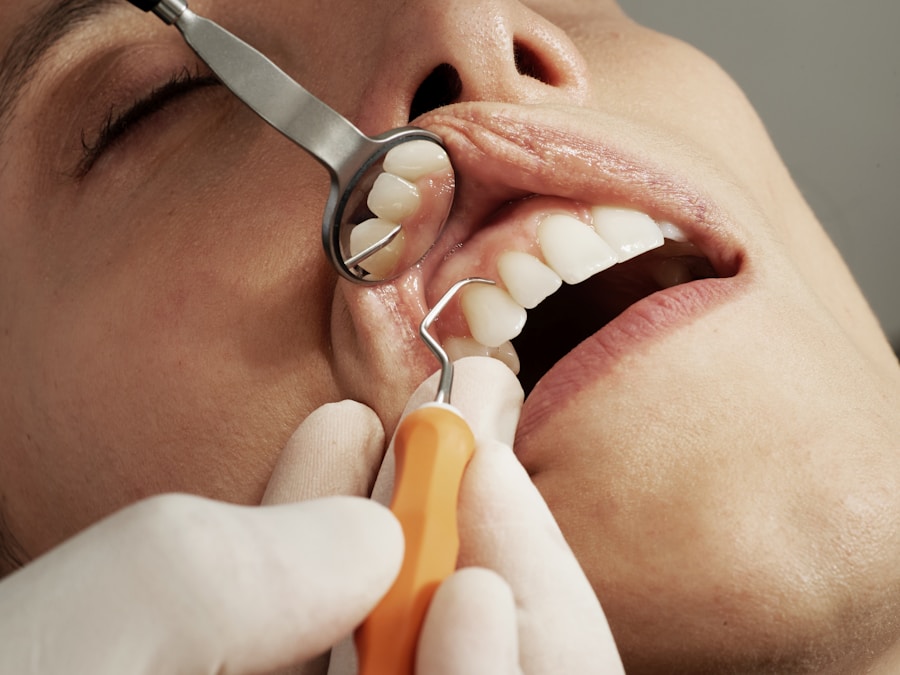
What is Bruxism?
Bruxism is the involuntary grinding, clenching, or gnashing of teeth. It may occur during the day while you are awake or more commonly while sleeping. Many people are unaware they grind their teeth until symptoms become severe or a dentist identifies signs of excessive tooth wear during a routine examination.
Occasional teeth grinding may not cause serious problems, but persistent bruxism can damage teeth, strain the jaw muscles, and lead to chronic pain if left untreated.
What Causes Teeth Grinding?
Bruxism can result from a combination of physical, psychological, and lifestyle factors. Common causes include:
- Stress and anxiety.
- Sleep disorders such as sleep apnea.
- Misaligned teeth or an improper bite.
- Certain medications, including some antidepressants.
- Excessive caffeine or alcohol consumption.
- Smoking or tobacco use.
- Neurological conditions in rare cases.
Signs and Symptoms
Many individuals do not realize they grind their teeth until noticeable symptoms develop. Common warning signs include:
- Flattened or worn teeth.
- Chipped or cracked teeth.
- Jaw pain or stiffness.
- Frequent headaches, especially in the morning.
- Earaches without an ear infection.
- Facial muscle soreness.
- Increased tooth sensitivity.
- Clicking or popping of the jaw.
- Interrupted sleep.
How Bruxism Affects Your Oral Health
Continuous grinding places tremendous pressure on your teeth and jaw joints. Over time, this can lead to:
- Severe tooth wear.
- Broken fillings and crowns.
- Loose teeth.
- Enamel erosion.
- Gum recession.
- Temporomandibular Joint (TMJ) disorders.
- Difficulty chewing.
Can Children Grind Their Teeth?
Yes. Bruxism is relatively common in children, particularly while sleeping. Many children outgrow the habit as they develop. However, if grinding is frequent or causing pain, tooth wear, or sleep disturbances, a dental evaluation is recommended.
How is Bruxism Diagnosed?
During your dental examination, your dentist will look for signs of excessive wear and evaluate your bite and jaw function. Diagnosis may include:
- A comprehensive oral examination.
- Assessment of jaw movement.
- Evaluation of worn or fractured teeth.
- Dental X-rays if necessary.
- Discussion of symptoms and sleep habits.
Treatment Options
Custom Night Guards
One of the most effective treatments for sleep bruxism is a custom-made night guard. This appliance fits comfortably over your teeth and protects them from damage caused by grinding and clenching.
Stress Management
Because stress is a common trigger, relaxation techniques such as meditation, exercise, deep breathing, and adequate sleep can significantly reduce teeth grinding episodes.
Correcting Bite Problems
If bruxism is caused by an uneven bite or misaligned teeth, restorative or orthodontic treatment may be recommended.
Restorative Dentistry
Patients with damaged teeth may require fillings, crowns, veneers, or other restorative procedures to rebuild their smile and restore proper function.
Tips to Reduce Teeth Grinding
- Reduce stress through relaxation techniques.
- Avoid chewing on pens, ice, or fingernails.
- Limit caffeine and alcohol, especially before bedtime.
- Maintain a regular sleep schedule.
- Wear your prescribed night guard consistently.
- Practice jaw relaxation exercises.
When Should You See a Dentist?
Schedule an appointment if you experience:
- Persistent jaw pain.
- Morning headaches.
- Broken or chipped teeth.
- Tooth sensitivity.
- Clicking or locking of the jaw.
- A partner notices grinding sounds while you sleep.
Early diagnosis helps prevent extensive tooth damage and reduces the need for more complex restorative treatments.
Frequently Asked Questions
Can teeth grinding stop on its own?
Occasional bruxism may resolve without treatment, particularly if it is linked to temporary stress. Persistent grinding, however, should be professionally evaluated.
Is bruxism painful?
Some people experience no discomfort, while others develop jaw pain, headaches, facial soreness, or tooth sensitivity.
Can a night guard cure bruxism?
A night guard does not eliminate the habit of grinding but protects your teeth and reduces damage while underlying causes are addressed.
Does stress always cause bruxism?
No. Although stress is a major contributor, bruxism may also result from sleep disorders, medications, bite problems, or other medical conditions.
Preventing Bruxism
While not all cases can be prevented, adopting healthy habits can reduce the risk and severity of teeth grinding.
- Maintain regular dental check-ups.
- Manage stress effectively.
- Practice good sleep hygiene.
- Avoid tobacco products.
- Reduce caffeine intake in the evening.
- Follow your dentist's recommendations for treatment.
Why Choose Royal Care Dental?
At Royal Care Dental, we understand the impact that untreated bruxism can have on your oral health and quality of life. Our experienced dental team provides comprehensive assessments, custom-made night guards, restorative treatments, and personalized care plans to protect your smile.
- Comprehensive dental examinations.
- Custom-fitted night guards.
- Digital diagnostic technology.
- Restorative dental care.
- Patient-centered treatment plans.
Protect Your Teeth Before Damage Occurs
If you suspect that you grind your teeth or frequently wake up with jaw pain or headaches, don't ignore the symptoms. Early diagnosis and treatment can prevent permanent damage to your teeth and improve your overall comfort.
Our team at Royal Care Dental is here to help you protect your smile with personalized, evidence-based care.
Schedule Your Dental Consultation