Published: July 2, 2025 | Reading Time: 12 minutes
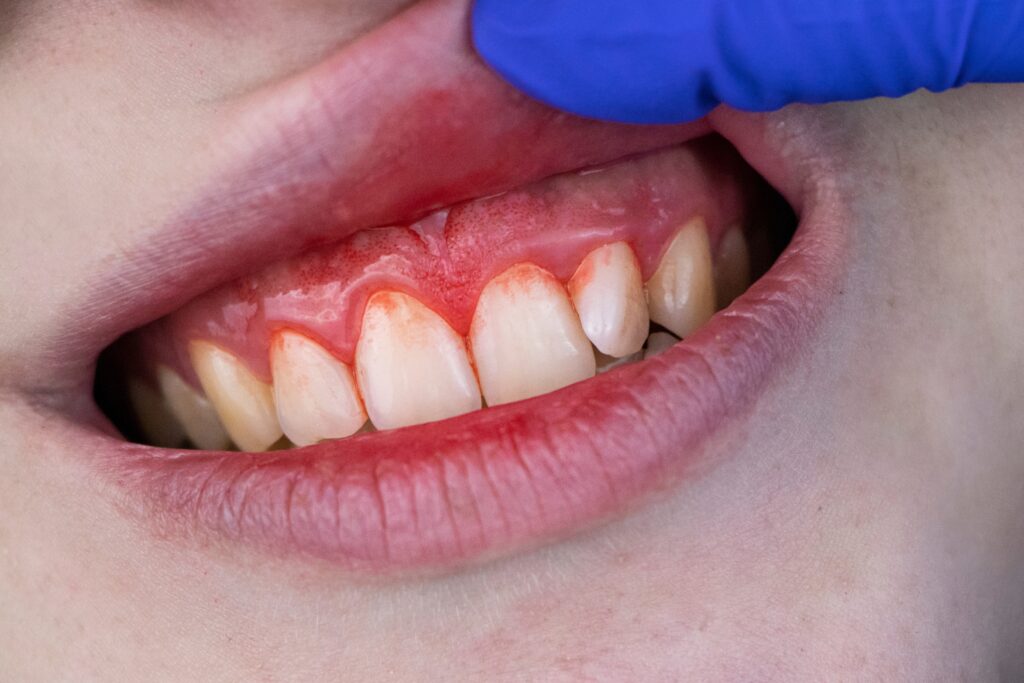
What is Gum Disease?
Gum disease, also known as periodontal disease, is a bacterial infection that affects the tissues surrounding and supporting your teeth. It usually begins with plaque buildup along the gum line and, if left untreated, can progress to severe infection, bone loss, and even tooth loss.
Many people are unaware they have gum disease because it often develops slowly without causing pain during its early stages. Regular dental check-ups play an essential role in detecting and treating the condition before permanent damage occurs.
What Causes Gum Disease?
The leading cause of gum disease is the accumulation of plaque—a sticky film of bacteria that forms on the teeth every day. If plaque is not removed by brushing and flossing, it hardens into tartar, which can only be removed by a dental professional.
Other factors that increase your risk include:
- Poor oral hygiene
- Smoking and tobacco use
- Diabetes
- Hormonal changes during pregnancy
- Certain medications
- Genetics
- Stress
- Poor nutrition
- A weakened immune system
Stages of Gum Disease
1. Gingivitis
Gingivitis is the earliest and mildest form of gum disease. At this stage, the gums become inflamed due to plaque accumulation.
Symptoms include:
- Red gums
- Swollen gums
- Bleeding while brushing or flossing
- Persistent bad breath
Fortunately, gingivitis is reversible with professional dental cleaning and improved oral hygiene.
2. Periodontitis
If gingivitis is left untreated, it progresses into periodontitis. The infection spreads below the gum line and begins damaging the bone supporting your teeth.
This may result in:
- Gum recession
- Loose teeth
- Pus around the gums
- Pain while chewing
- Tooth mobility
- Bone loss
Common Signs and Symptoms
Watch out for these warning signs:
- Bleeding gums
- Red or swollen gums
- Bad breath that won't go away
- Receding gums
- Loose teeth
- Sensitive teeth
- Pain while chewing
- Changes in your bite
- Pus between teeth and gums
Why Gum Disease Should Never Be Ignored
Untreated gum disease affects more than your mouth. Research has shown that advanced periodontal disease is associated with several systemic health conditions including heart disease, diabetes, respiratory infections, and pregnancy complications.
Maintaining healthy gums contributes to your overall health and well-being.
How Dentists Diagnose Gum Disease
During your dental examination, your dentist will:
- Check for bleeding gums.
- Measure gum pocket depths.
- Take dental X-rays.
- Assess bone levels.
- Evaluate tooth mobility.
- Look for signs of infection.
Treatment Options
Professional Dental Cleaning
For early gum disease, professional cleaning removes plaque and tartar from above and below the gum line.
Scaling and Root Planing
Often called deep cleaning, this procedure removes bacteria beneath the gums and smooths the tooth roots to encourage healing.
Antibiotic Therapy
In some cases, antibiotics may be prescribed to control bacterial infection.
Periodontal Surgery
Advanced cases may require surgical treatment to restore damaged gum tissue or regenerate lost bone.
Preventing Gum Disease
The good news is that gum disease is largely preventable.
- Brush twice daily using fluoride toothpaste.
- Floss every day.
- Visit your dentist every six months.
- Eat a healthy, balanced diet.
- Drink plenty of water.
- Avoid smoking.
- Limit sugary foods and drinks.
- Use an antibacterial mouthwash if recommended.
Who is Most at Risk?
Although anyone can develop gum disease, it is more common among:
- Adults over 35 years.
- Smokers.
- People living with diabetes.
- Pregnant women.
- Patients with poor oral hygiene.
- Individuals with a family history of periodontal disease.
Frequently Asked Questions
Can gum disease be cured?
Early-stage gingivitis can be completely reversed. Advanced periodontitis can be managed successfully but requires ongoing professional care.
Does gum disease cause bad breath?
Yes. The bacteria responsible for gum disease produce unpleasant odors that can result in persistent bad breath.
Is bleeding while brushing normal?
No. Healthy gums should not bleed. Bleeding is often one of the earliest signs of gum disease.
Can children develop gum disease?
Yes. Although severe periodontal disease is less common in children, gingivitis can affect people of all ages if oral hygiene is neglected.
Why Choose Royal Care Dental?
At Royal Care Dental, we are committed to helping patients maintain healthy gums through preventive care, early diagnosis, and advanced periodontal treatments. Our experienced dental team uses modern techniques and equipment to provide comfortable, personalized care for every patient.
- Comprehensive gum health assessments.
- Professional dental cleanings.
- Deep cleaning (Scaling & Root Planing).
- Personalized oral hygiene education.
- Modern dental technology.
- Friendly and compassionate care.
Protect Your Smile Today
Healthy gums are the foundation of a healthy smile. If you've noticed bleeding gums, persistent bad breath, gum recession, or loose teeth, don't wait until the condition worsens.
Early treatment is the key to preventing permanent damage and preserving your natural teeth for years to come.
Book your appointment with Royal Care Dental today and let our experienced team help you achieve healthier gums and a brighter smile.
Book Your Gum Health Consultation