Published: June 20, 2025 | Reading Time: 10 minutes
How Often Should You Brush Your Teeth?
Dentists recommend brushing your teeth at least twice a day— once in the morning and again before going to bed. Each brushing session should last for approximately two minutes. Brushing before bedtime is especially important because it removes plaque, bacteria, and food particles that accumulate throughout the day.
If possible, brushing after meals can further reduce plaque buildup. However, if you have consumed acidic foods or beverages such as citrus fruits, soda, or wine, wait about 30 minutes before brushing to avoid damaging the softened enamel.
Choosing the Right Toothbrush
Selecting the right toothbrush is just as important as using the correct brushing technique. The ideal toothbrush should comfortably reach every area of your mouth without causing irritation to your gums.
- Use a soft-bristled toothbrush to protect your enamel and gums.
- Choose a brush head that comfortably fits your mouth.
- Replace your toothbrush every three months or sooner if the bristles become worn.
- Replace your toothbrush after recovering from illnesses such as the flu or a cold.
Manual vs. Electric Toothbrushes
Both manual and electric toothbrushes can effectively clean your teeth when used correctly. However, electric toothbrushes often make it easier to remove plaque because of their oscillating or vibrating brush heads.
Electric toothbrushes are particularly beneficial for:
- Children learning proper brushing techniques.
- Older adults with limited hand mobility.
- People wearing braces or orthodontic appliances.
- Individuals with arthritis or reduced dexterity.
The Importance of Fluoride Toothpaste
Fluoride is a naturally occurring mineral that strengthens tooth enamel and helps prevent cavities. Using fluoride toothpaste every day significantly reduces the risk of tooth decay by helping enamel repair itself during the early stages of damage.
For adults, a pea-sized amount of fluoride toothpaste is sufficient. Children should use age-appropriate amounts as recommended by their dentist.
Don't Forget to Brush Your Tongue
Your tongue harbors millions of bacteria that contribute to bad breath and plaque formation. Gently brushing your tongue every day or using a tongue scraper helps remove bacteria and leaves your mouth feeling fresher.
The Role of Flossing
Brushing alone cleans only about 60% of your tooth surfaces. Dental floss removes plaque and food particles trapped between teeth where toothbrush bristles cannot reach.
For optimal oral health:
- Floss at least once every day.
- Use gentle up-and-down motions.
- Curve the floss around each tooth in a C-shape.
- Avoid snapping the floss into your gums.
Should You Use Mouthwash?
Mouthwash is not a replacement for brushing and flossing, but it can be an excellent addition to your oral hygiene routine. An antibacterial mouthwash helps reduce harmful bacteria, while fluoride mouthwash strengthens enamel and helps prevent cavities.
Signs You May Be Brushing Incorrectly
Even people who brush every day may unknowingly damage their teeth or leave plaque behind. Watch for these warning signs:
- Bleeding gums during brushing.
- Persistent bad breath.
- Tooth sensitivity.
- Receding gums.
- Yellow plaque near the gum line.
- Frequent cavities.
If you notice any of these symptoms, schedule a dental examination so your dentist can assess your brushing technique and overall oral health.
Brushing Tips for Children
Developing healthy brushing habits early helps children maintain strong teeth throughout their lives.
- Begin cleaning your baby's gums before teeth appear.
- Use a small, soft toothbrush once the first tooth erupts.
- Supervise brushing until around age eight.
- Make brushing fun by using songs or timers.
- Encourage brushing twice daily.
Foods That Help Keep Teeth Healthy
Good oral hygiene goes hand in hand with a balanced diet. Certain foods help strengthen teeth and support healthy gums.
- Dairy products rich in calcium.
- Crunchy fruits like apples.
- Carrots and celery.
- Leafy green vegetables.
- Nuts and seeds.
- Plenty of drinking water.
Limiting sugary snacks and acidic beverages can significantly reduce your risk of tooth decay and enamel erosion.
Frequently Asked Questions
Should I brush before or after breakfast?
Dentists generally recommend brushing before breakfast to remove bacteria that accumulate overnight. If you brush after breakfast, wait at least 30 minutes after consuming acidic foods or drinks.
How long should I brush?
Brush for a full two minutes, spending approximately 30 seconds on each quadrant of your mouth.
Can brushing too hard damage my teeth?
Yes. Excessive brushing pressure can wear away enamel, irritate your gums, and cause gum recession. Always brush gently using soft circular motions.
How often should I visit the dentist?
Most people should schedule a professional dental examination and cleaning every six months. Your dentist may recommend more frequent visits depending on your oral health needs.
Professional Dental Cleanings Matter
Even with excellent brushing habits, plaque can harden into tartar, which cannot be removed with a toothbrush alone. Professional dental cleanings remove tartar, polish your teeth, and allow your dentist to detect potential problems before they become serious.
Routine dental check-ups also provide an opportunity to screen for gum disease, cavities, oral cancer, and other conditions that may not cause noticeable symptoms in their early stages.
Healthy Brushing Habits Lead to Healthy Smiles
Proper brushing is one of the simplest yet most effective ways to protect your oral health. Combined with flossing, a balanced diet, fluoride toothpaste, and regular dental check-ups, correct brushing techniques can help you maintain a healthy, confident smile for life.
If you are unsure whether you're brushing correctly or would like a professional cleaning, the experienced team at Royal Care Dental is here to help. We provide comprehensive preventive dental care for children, adults, and families in a comfortable and welcoming environment.
Why Proper Brushing Technique is Crucial
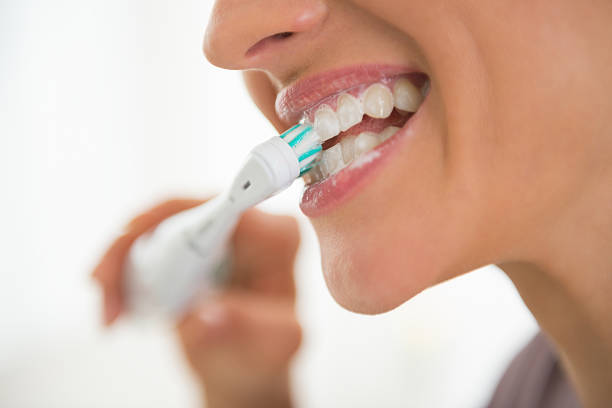
Most dental problems like cavities, gum recession, and enamel wear are caused by incorrect brushing rather than lack of brushing.
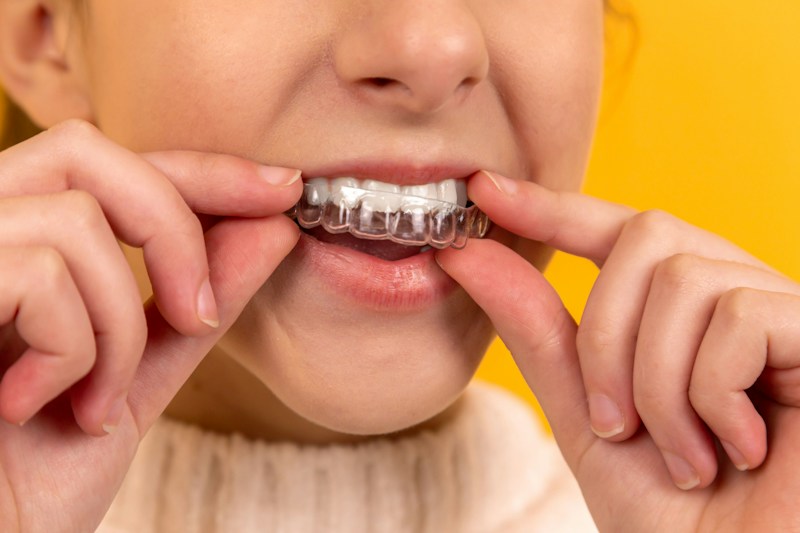
Step-by-Step Correct Brushing Technique
- Choose a soft-bristled toothbrush and fluoride toothpaste.
- Position the brush at a 45-degree angle to the gums.
- Use short, gentle circular motions for 2 full minutes.
- Brush all surfaces: outer, inner, and chewing.
- Gently brush your tongue.
Common Mistakes That Damage Your Teeth
- Brushing too hard or horizontally
- Using hard-bristled toothbrushes
- Not replacing toothbrush every 3 months
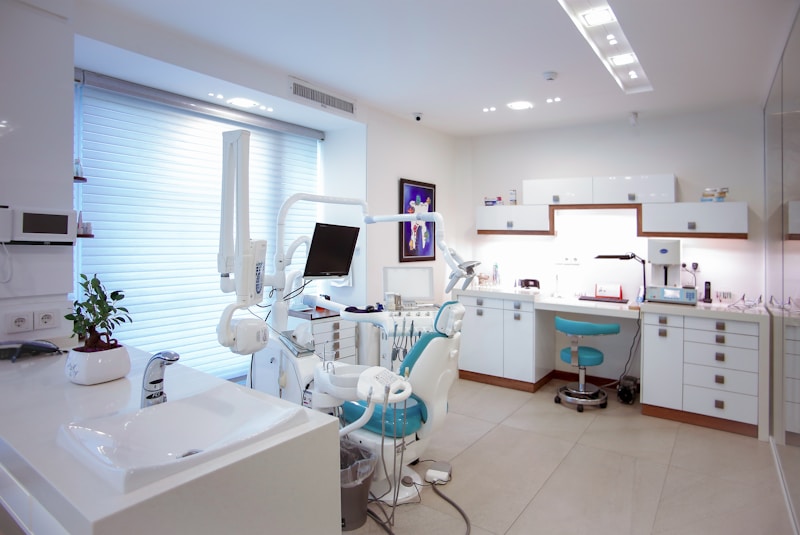 Book Your Dental Check-up Today